
In today’s ag economy, every borrowed dollar must be a strategic investment. As margins tighten and input costs remain high, the traditional line of credit may no longer be enough to support a growth-minded operation. Farmers are increasingly moving away from a survival mode to a proactive, strategic approach to their capital.
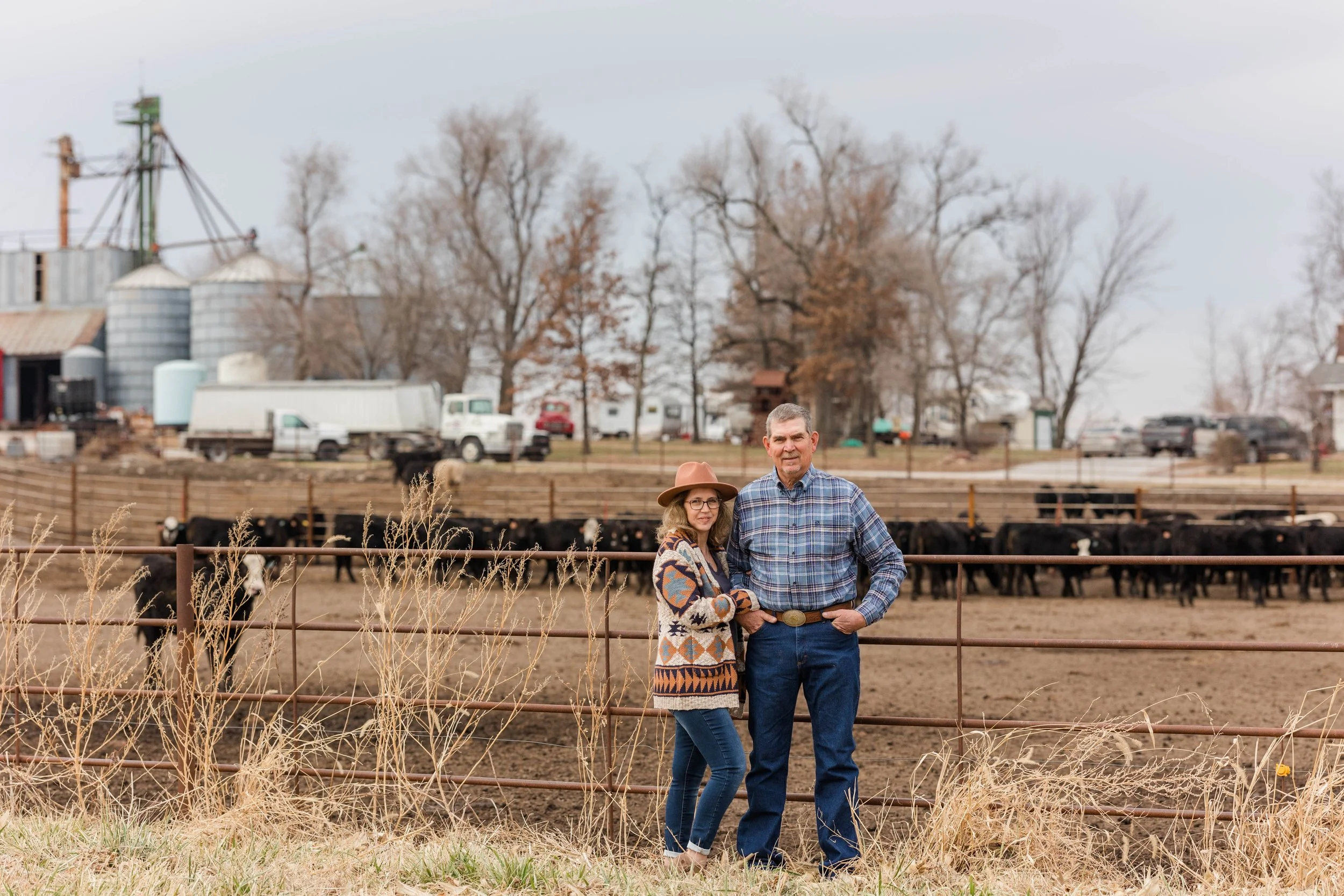
For Scott and Pam Shrewsbury of Lathrop, Missouri, this shift wasn’t just about finding a lender — it was about finding a financial partner that valued their production skill set as much as their balance sheet.
Solving the ag financing collateral gap
The Shrewsbury Farms, Inc. operation is a prime example of a growth-oriented farm expanding through rented ground and strong operational performance, not just the land it owns. Scott is the fifth generation to steward their family land, with the bulk of their 1,800-acre corn and soybean operation relying on rented ground. This operating structure can create a gap with traditional lenders who often prioritize real estate over production records.
“In the past, it felt like we were jumping through hoops just to prove our value,” Pam explained. “We had a strong plan and a proven track record, but the traditional banking process was often a struggle. We needed a partner who could see the potential in our production, not just the deed to the land.”
Maximizing working capital with production realities
When the Shrewsburys transitioned to FarmOp Capital, the conversation changed from what they owned to what they could efficiently produce. By using crop insurance and historical yields as foundational security, FarmOp provided the Shrewsburys with a more complete budget and the flexibility to execute their full plan.
“FarmOp helped us get a grip on our marketing and our cash flow in a way we hadn’t experienced before,” said Pam. “They are proactive. They stay in constant contact and help us stay organized so Scott can focus on the fieldwork while I manage the details. It has taken the stress out of the paperwork for both of us.”
Gaining marketing staying power and basis recapture
One advantage of this performance-based model is the flexibility it provides in the grain market. Traditional annual notes often force a sale at harvest to meet year-end deadlines. This frequently requires farmers to sell when the basis — the difference between local cash prices and the futures market — is at its weakest.
With FarmOp’s 18- to 24-month loan terms, the Shrewsburys have gained the staying power to wait for a stronger basis. They also work with the FarmpOp Commodities team to hedge their crop and maximize the recapture of those hedges as they forward contract their grain. This allows them to lock in a price floor while waiting for the right time to deliver their physical grain.
“Having a team behind us has changed our strategy,” Pam explained. “We aren't forced to sell just because a calendar date says the note is due. We can wait for the right market opportunities, which have allowed us to pay down debt and reinvest in the farm’s future.”
Building a farm legacy for the next generation
By valuing the entire operational ecosystem, the Shrewsburys are better positioned for growth rather than survival. They have even been able to expand into their own cattle operation — a goal that was previously difficult to reach under rigid lending models.
“If you're looking for a lender that understands the reality of farming today, give FarmOp Capital a call,” Pam advised. “They’ve been honest, they’ve stuck to their word, and they’ve helped us build a roadmap for the next generation.”
Is production-based working capital right for your operation?
Ready to turn your operating loan into a tool for growth?
Call: 833-327-6677 | Email: sales@foc.ag | Online Contact Form